
Last Updated: November 10, 2026
Quick Summary
French pharmacy skincare is a formulation tradition, not a medical specialty: it borrows from dermatology but does not replace a dermatologist. It favors tolerance and barrier support over treatment strength, so it suits dryness, mild texture and reactive skin, while persistent acne, melasma or significant photoaging may need a prescription.
- Many pharmacy products use low concentrations of featured actives, delivering maintenance-level doses rather than treatment strength.
- Most French pharmacy dossiers rely on finished-product testing, which measures tolerance and short-term appearance, not structural change.
- Introduce one product at a time and give your skin two weeks before adding another.
- Judge value by cost per use, cost per treatment course, and whether you actually finish the product.
- A common real-world setup is a barrier-first cleanser and moisturizer, one prescription active at night, and sunscreen every morning.
Table of Contents
- French Pharmacy Skincare vs Modern Dermatology: What's the Real Difference?
- French Pharmacy Skincare Ingredients: What's Actually Inside the Tube
- The Best French Pharmacy Products for Anti-Aging, and How They Stack Up
- French Pharmacy Skincare for Sensitive Skin: Gentleness vs Treatment Strength
- French Pharmacy Skincare vs Modern Dermatology Reviews: What the Evidence Shows
- Cost Per Use and Long-Term Value: The Price Question Nobody Answers
- Building a Routine That Blends Both Approaches
- Frequently Asked Questions
French Pharmacy Skincare vs Modern Dermatology: What's the Real Difference?
French pharmacy skincare sits at an unusual crossroads: heritage brands sold behind a pharmacist's counter, wrapped in clinical language, and priced above most drugstore lines. But depth is not the same as superiority.
Here is the honest answer: French pharmacy skincare is a formulation tradition, not a medical specialty. It borrows from dermatology, but it does not replace a dermatologist. At Coule, we build on that tradition with modern, science-backed formulations, and we would rather you understood the trade-offs than treat any shelf as gospel.
Below, we break down what is actually inside these products, where they help, and when a prescription beats a pretty tube.
French Pharmacy Skincare Ingredients: What's Actually Inside the Tube
The appeal of this category is generally tolerance rather than potency.
Thermal Spring Water and the Soothing Claim
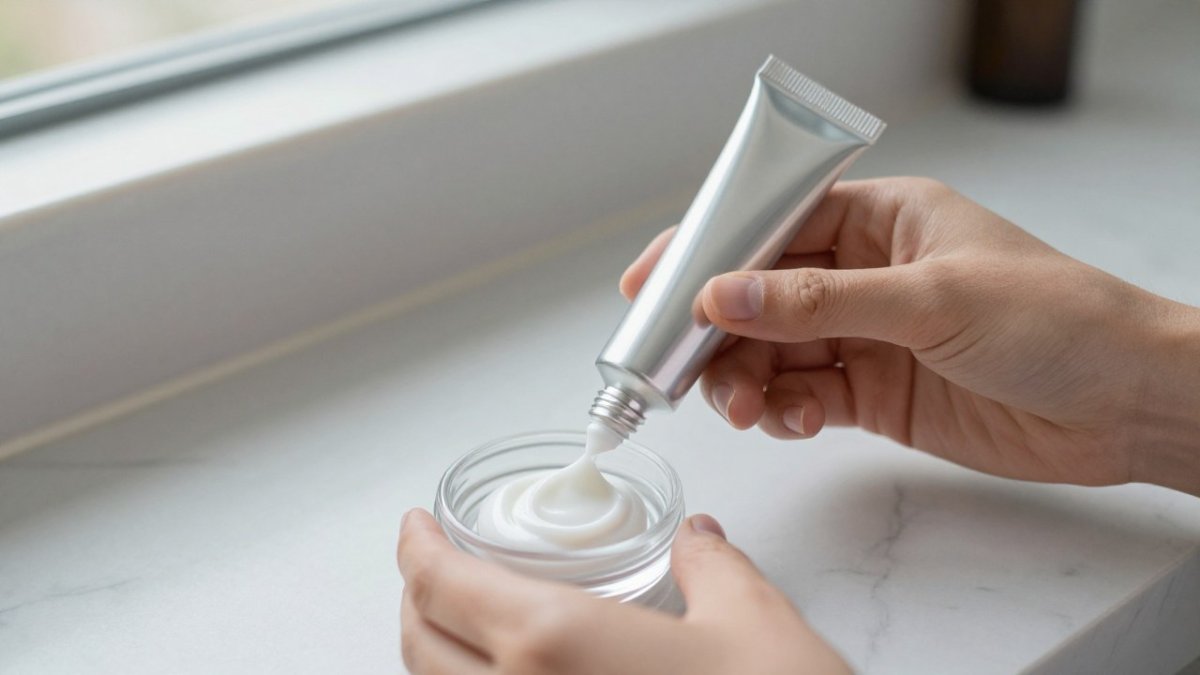
Thermal spring water is the category's signature ingredient, and the claim is modest: mineral-rich water that calms and hydrates. That is a comfort benefit, not a treatment. It soothes irritation and supports the skin barrier, which matters for reactive skin. It will not fade dark spots or rebuild collagen.
Active Ingredient Concentration: Where the Formulas Diverge
This is where the real difference lives. Many pharmacy products use low concentrations of their featured actives, a point raised in a skincare community discussion on French product pricing. A formula can list retinol or vitamin C and still deliver a gentle, maintenance-level dose. That is fine for daily tolerance. It is not the same as a treatment-strength active.
The Best French Pharmacy Products for Anti-Aging, and How They Stack Up
Anti-aging claims are common in this category. Buffered, gentler retinols generally suit beginners and sensitive skin.
If you are comparing options, know what each type of retinoid actually does for tone and texture. Our guide on how to treat hyperpigmentation with retinoids explains the mechanism, and our breakdown of the best retinoid for mature skin texture helps you match strength to your concern.
A sensible stack looks like this:
- A gentle cleanser, morning and night
- A hydrating serum with niacinamide for barrier support
- A buffered retinoid at night, two to three times weekly to start
- A broad-spectrum sunscreen every morning, no exceptions
The one drawback of pharmacy retinols: patience. Expect weeks, not days, before texture shifts.
French Pharmacy Skincare for Sensitive Skin: Gentleness vs Treatment Strength
Sensitive skin is where French pharmacy skincare earns its reputation. Fragrance-free formulas, minimal actives, and barrier-first design make these products a reasonable starting point for reactive skin.
The trade-off is speed. Gentle formulas generally work more slowly, and if your concern is stubborn pigmentation, a mild routine may plateau. If you are weighing a gentle start against a stronger active, our beginner's guide to gentle retinol for sensitive aging skin walks through pacing and tolerance.
A common mistake is layering several gentle actives at once and assuming "mild" means "safe together." It does not. Introduce one product at a time, and give your skin two weeks before adding another.
French Pharmacy Skincare vs Modern Dermatology Reviews: What the Evidence Shows
A useful question to ask is what kind of evidence backs each approach, and what that evidence actually measures.
Three Tiers of Evidence, and Where Each Approach Sits
Not all clinical language means the same thing. It helps to separate three tiers:
- Ingredient-level research. Studies on a raw active, say, niacinamide or retinol, applied in a lab or in a controlled formula. This tells you a molecule can do something, not that a specific finished product does it at the concentration and vehicle in the tube.
- Finished-product testing. A brand tests its own formula, often on a small panel, and reports tolerance, hydration, or a consumer-perceived improvement. This is the tier most French pharmacy dossiers rely on, and it is legitimate, but it usually measures comfort and short-term appearance, not long-term structural change.
- Prescription-grade endpoints. Dermatology-led trials typically measure harder outcomes: lesion counts for acne, pigment intensity scores for melasma, biopsy-level collagen change for photoaging. These are the endpoints that justify a prescription.
The two categories often answer different questions, and the evidence available differs accordingly.
What the Mechanisms Tell You
French pharmacy formulas tend to favor barrier support and tolerance: thermal spring water, glycerin, niacinamide, and buffered or encapsulated actives. Modern dermatology-led skincare and prescription treatment tend to favor higher active concentrations, penetration enhancers, and, in the prescription tier, molecules like tretinoin or hydroquinone that are regulated precisely because they change skin biology more aggressively.
The right choice depends on your concern, your tolerance, and how much irritation you are willing to manage.
Over-the-Counter vs Prescription: A Decision Guide
Use this to decide:
- Choose OTC pharmacy skincare if: your concern is dryness, mild texture, dullness, or maintenance, and your skin reacts easily. You want a routine you can sustain without a learning curve.
- Consider a prescription if: you have persistent acne, melasma, or significant photoaging that has not responded to over-the-counter products. A dermatologist can advise on the right approach and timeline.
- Blend both if: you want a gentle base routine plus one targeted prescription active. This is the most common real-world setup: a barrier-first cleanser and moisturizer, one prescription active at night, and sunscreen every morning.
If you are unsure whether a dual-active OTC product is worth it, our checklist on signs a dual active retinol balm is worth it gives you concrete criteria.
Watch out: "clinical testing" on a label does not tell you which tier of evidence it represents. A product can be clinically tested for tolerance and still have no data on the outcome you actually care about, so read what was measured, not just that something was measured.
The two approaches rest on different tiers of evidence, and each tier measures something different.
| Evidence tier | What it measures | Where each approach sits |
|---|---|---|
| Ingredient-level research | Whether a raw active can do something | Tells you a molecule works, not a finished product |
| Finished-product testing | Tolerance, hydration, consumer-perceived improvement | The tier most French pharmacy dossiers rely on |
| Prescription-grade endpoints | Lesion counts, pigment intensity scores, biopsy-level collagen change | The endpoints that justify a prescription |
Cost Per Use and Long-Term Value: The Price Question Nobody Answers
The value question is a fair one to ask. But shelf price is the least useful number in skincare. What matters is cost per use, cost per treatment course, and whether the product actually gets finished.
The Three Numbers That Actually Matter
- Cost per use. Divide the price by the number of applications in the package. Divide the price by the number of applications in the package to compare value per use.
- Cost per treatment course. For an active meant to produce a change, a retinoid, a pigment corrector, the relevant window is the time it takes to see a result, typically eight to twelve weeks. A product you abandon at week three has an infinite cost per result, no matter what you paid.
- Cost of failure. Irritation, a purge, or a formula that pills under sunscreen all raise the real cost, because you replace the product and lose the weeks you spent adjusting.
How the Two Approaches Compare on Value
Costs vary across approaches. A prescription may involve a visit and follow-up, and the total cost depends on the products and treatment involved.
The honest comparison is not "which is cheaper" but "which gets you to your outcome with the fewest abandoned products." The most cost-effective choice depends on your concern and how your skin responds to each product.
A Simple Way to Judge Any Product
Judge value by three things: how many weeks a tube actually lasts at your usage rate, whether the active concentration and evidence tier justify the price, and whether your skin tolerates it enough to finish it. A modest formula you use daily beats a potent one you fear.
Our dual active retinol balm is sold in a sleek aluminum tube and is formulated for men and women. For current pricing, check our site directly.
Watch out: cost-per-use math only works if you are honest about how much you actually apply.
Building a Routine That Blends Both Approaches
The smartest routine does not pick a side. Start with a gentle cleanser and moisturizer, add one active, and consult a dermatologist for anything persistent.
Coule combines French pharmacy heritage with modern formulation. Our dual active retinol balm is a simple place to start without rebuilding your whole shelf.
The real challenge is not choosing between heritage and dermatology. It is knowing which concern you are actually treating. Coule combines French pharmacy inspiration with modern science-backed formulations, including our award-winning dual active retinol balm in a sleek aluminum tube for men and women. Get started with Coule and build a routine that treats your skin with both care and evidence.
Frequently Asked Questions
Is French pharmacy skincare actually more effective than dermatologist-recommended products?
Not automatically. Consumer coverage of French pharmacy skincare describes it as dermatology-linked and clinically oriented, but the available reporting does not establish that it works better than other skincare. Judge a product by its ingredient list, concentration, and whether the formula matches your skin concern, not by the pharmacy shelf it came from.
Which French pharmacy skincare ingredients are worth paying for?
Look for ingredients with a clear function: retinoids for texture and tone, azelaic acid for uneven tone, niacinamide for barrier support, and mineral-rich thermal spring water for soothing. The catch is concentration. Read the INCI list and check where the active sits relative to the preservatives before assuming a formula is potent.
Can French pharmacy skincare help with sensitive skin and irritation?
Many French pharmacy formulas are built around tolerance: short ingredient lists, fragrance-free options, and thermal spring water positioned for soothing. That makes them a reasonable starting point for reactive skin. The limitation is treatment strength. If your goal is fading hyperpigmentation or smoothing texture, a very gentle formula may not carry enough active to produce visible change. Introduce one product at a time and give a new active several weeks before judging it.
How do I choose between over-the-counter French pharmacy products and a prescription treatment?
Start with the severity of the concern. Texture, dullness, mild uneven tone, and dryness usually respond to over-the-counter actives such as retinol, azelaic acid, and vitamin C. Active acne with cysts, persistent melasma, and significant sun damage are better handled by a dermatologist who can prescribe stronger actives and monitor interactions with your current routine. Cost matters too, so compare value per use rather than sticker price.
