
Last Updated: November 21, 2026
Quick Summary
The best azelaic acid serum for uneven skin tone depends on concentration, texture, and your skin's tolerance rather than label promises. Most picks here sit at 10%, with TIRTIR at 12%, so match the number to your tolerance and use it consistently for eight to twelve weeks.
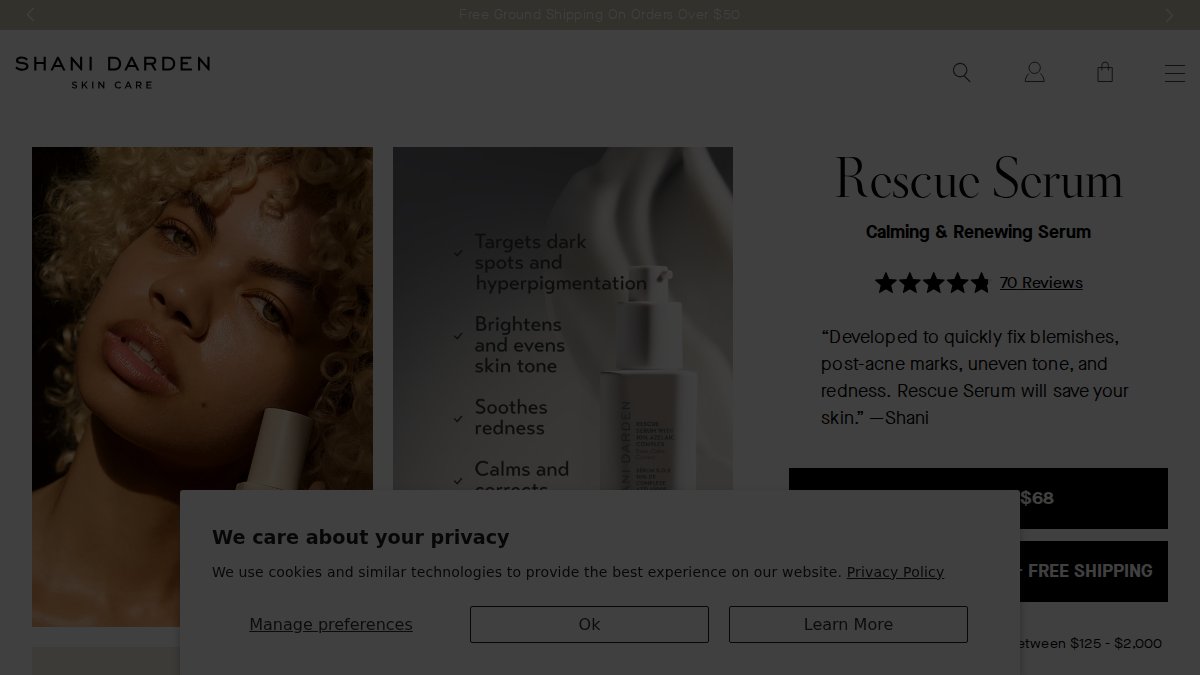
- Shani Darden Rescue Serum carries a stated 10% azelaic complex and is listed at $68.
- The Ordinary Azelaic Acid Suspension 10% is a budget option listed at $12.20 with a silicone base.
- Anua Azelaic Acid 10 Hyaluron Serum pairs 10% azelaic acid with hyaluron for sensitive, redness-prone skin.
- Apply your serum thinnest to thickest: cleanse, apply to dry skin, then moisturizer and morning sunscreen.
- Start two or three nights a week and patch test on your jawline before building up.
Table of Contents
- Quick Comparison: Best Azelaic Acid Serums for Uneven Skin Tone
- How We Chose and What the Evidence Actually Supports
- Best Azelaic Acid Serum for Uneven Skin Tone, Dermatologist-Informed Picks
- Best Azelaic Acid Serum for Uneven Skin Tone Drugstore Shoppers Can Find
- Best Azelaic Acid Products for Sensitive Skin
- Azelaic Acid for Hyperpigmentation and Post-Acne Marks
- Concentration, Formula, and Layering: What Decides Your Results
- Choosing Your Azelaic Acid Serum at Coule
- Frequently Asked Questions
Quick Comparison: Best Azelaic Acid Serums for Uneven Skin Tone
If you are hunting for the best azelaic acid serum for uneven skin tone, the short answer is this: concentration, formula texture, and how your skin tolerates it matter more than the label's promises. A 2024 review notes that 2016 European Academy of Dermatology and Venereology guidelines recommended azelaic acid for mild-to-moderate papulopustular acne, which tells you the ingredient has real clinical backing behind it, not just marketing momentum (review of azelaic acid's dermatological uses). At Coule, we build our formulas on that same principle: proven actives, elegant textures, no theater.
Here is the at-a-glance breakdown before we go deeper.
| Product | Concentration | Format | Best For | Listed Price |
|---|---|---|---|---|
| Shani Darden Rescue Serum | 10% azelaic complex | Serum | Uneven tone, all-round use | $68 |
| TIRTIR Azelaic Acid 12% Serum | 12% | Serum | Higher-strength all-rounder | Not listed |
| The Ordinary Azelaic Acid Suspension 10% | 10% | Suspension | Budget shoppers | $12.20 |
| Good Molecules 10% Azelaic Acid Treatment | 10% | Lightweight treatment | Texture and dullness | Not listed |
| Anua Azelaic Acid 10 Hyaluron Serum | 10% | Serum | Redness-prone, sensitive skin | Not listed |
Below, we explain how we picked these, what the evidence actually supports, and how to layer an azelaic acid serum into a routine without wrecking your skin barrier.
How We Chose and What the Evidence Actually Supports
The evidence base is real but narrower than brands imply. The 2024 review documents azelaic acid's dermatological uses and the guideline recommendation for acne, but it does not promise overnight brightening. A separate published paper presents six case studies of adult female acne patients using azelaic acid gel and reports that the cases demonstrate efficacy, though it provides no measurable outcome figures (real-world case studies on azelaic acid). What most guides miss is that this is a slow, cumulative ingredient. Expect weeks, not days.
Watch out: Products that hide their percentage behind vague "azelaic complex" language make it impossible to compare strength. When the number is missing, assume you are guessing.
Best Azelaic Acid Serum for Uneven Skin Tone, Dermatologist-Informed Picks
Two serums rise to the top for tone-specific concerns, and both earn their place for different reasons.
Shani Darden Rescue Serum with 10% Azelaic Complex
This is a product to consider for those chasing a clearer complexion. The formula carries a stated 10% azelaic complex and a soothing profile. Pricing for third-party products varies, so check the retailer for current pricing.
Best for: Anyone who wants a single serum targeting uneven tone without a harsh feel. Skip if: You want the highest percentage available or a strict budget option.
TIRTIR Azelaic Acid 12% Serum
For shoppers who want a higher stated concentration, TIRTIR lists 12% azelaic acid in the product name. Higher concentration does not automatically mean better results, so introduce it slowly.
Best for: Experienced active users who already tolerate acids well. Skip if: Your skin is reactive or you are new to azelaic acid.
Best Azelaic Acid Serum for Uneven Skin Tone Drugstore Shoppers Can Find
Budget options deserve serious attention here, because the active ingredient is not expensive to produce. Two drugstore-friendly picks prove the point.
The Ordinary Azelaic Acid Suspension 10%
This suspension is a budget-oriented option. It states 10% azelaic acid and uses a silicone base, which gives it a distinctive, slightly powdery finish. That texture is polarizing: some love the blur, others find it pills under makeup.
Best for: First-time azelaic acid users testing tolerance cheaply. Skip if: You dislike silicone-heavy textures.

Good Molecules 10% Azelaic Acid Treatment
Good Molecules describes this as a lightweight 10% treatment. Check the product listing for details on its intended use.
Best for: Texture-focused shoppers who want a light layer. Skip if: You need a stated price before committing, since the supplied results do not list one.
Best Azelaic Acid Products for Sensitive Skin
Sensitive skin changes the calculus entirely. Here, the best azelaic acid products for sensitive skin lead with soothing support, not raw strength. Anua's Azelaic Acid 10 Hyaluron Serum pairs a stated 10% azelaic acid with hyaluron.
Azelaic acid is commonly paired with hydrating ingredients to support comfort during early use. Start two or three nights a week, buffer with moisturizer if needed, and patch test on your jawline first.
If you are comparing gentle exfoliants more broadly, our guide to the best gentle exfoliant for mature skin covers how to avoid the irritation trap.
Azelaic Acid for Hyperpigmentation and Post-Acne Marks
Azelaic acid is often discussed in relation to hyperpigmentation, and understanding the mechanism matters more than marketing claims. Azelaic acid is a dicarboxylic acid that is discussed in dermatology for its effects on discoloration (Azelaic Acid in Dermatology: A Review of Its Mechanism of Action). Discoloration results from azelaic acid are generally gradual.
The distinction that most roundups blur is between post-inflammatory hyperpigmentation (PIH) and melasma. Post-inflammatory hyperpigmentation (PIH) is the flat brown or red-brown mark left after a pimple or irritation heals. Melasma is a chronic condition linked to hormones and UV exposure that generally requires a multi-ingredient approach and strict sun protection.
Skin tone changes the calculus. Skin tone affects how hyperpigmentation presents, and sun protection remains important throughout any routine. Introduce any new active gradually and pair it with a moisturizer and sunscreen.
Some azelaic acid products combine multiple actives. Multi-active formulas can raise the risk of irritation, so they may not suit reactive skin.
Product-specific clinical testing on fading discoloration is limited, and evidence often rests on ingredient-level data rather than trials of finished products. Judge any serum on concentration, tolerability, and consistency of use. For a deeper look at which ingredients genuinely move the needle, read what skincare actually evens out skin tone. If you want to compare approaches, our breakdown of how to treat hyperpigmentation with retinoids is the natural next step.
Watch out: If a product promises to fade dark spots in days, treat that claim with caution, as pigment changes generally take weeks to months.
Concentration, Formula, and Layering: What Decides Your Results
Several variables affect how an azelaic acid serum performs for you: concentration, vehicle, and layering order. Concentration is the easiest to read. Most products listed here sit at 10%, with TIRTIR at 12%. Higher percentages can raise irritation risk, so match the number to your tolerance.
The label is not always the whole story. Some products state a percentage of azelaic acid, while others list an "azelaic complex" or a derivative. A complex may include azelaic acid alongside supporting ingredients, and a derivative may convert or behave differently on skin. That does not make complexes inferior, Shani Darden's 10% azelaic complex is a tone-focused formula, but it does mean you cannot compare a complex directly against a stated 10% azelaic acid without reading the ingredient list. When the number is missing, assume you are guessing.
Formula matters just as much as percentage. A gel, cream, or suspension changes how the product sits on skin and how it layers. The Ordinary's suspension is a silicone-based formula that can feel different from a water-based serum. Anua's serum is hyaluron-based, which may feel lighter than a richer cream. The best texture is the one you will actually reach for nightly.
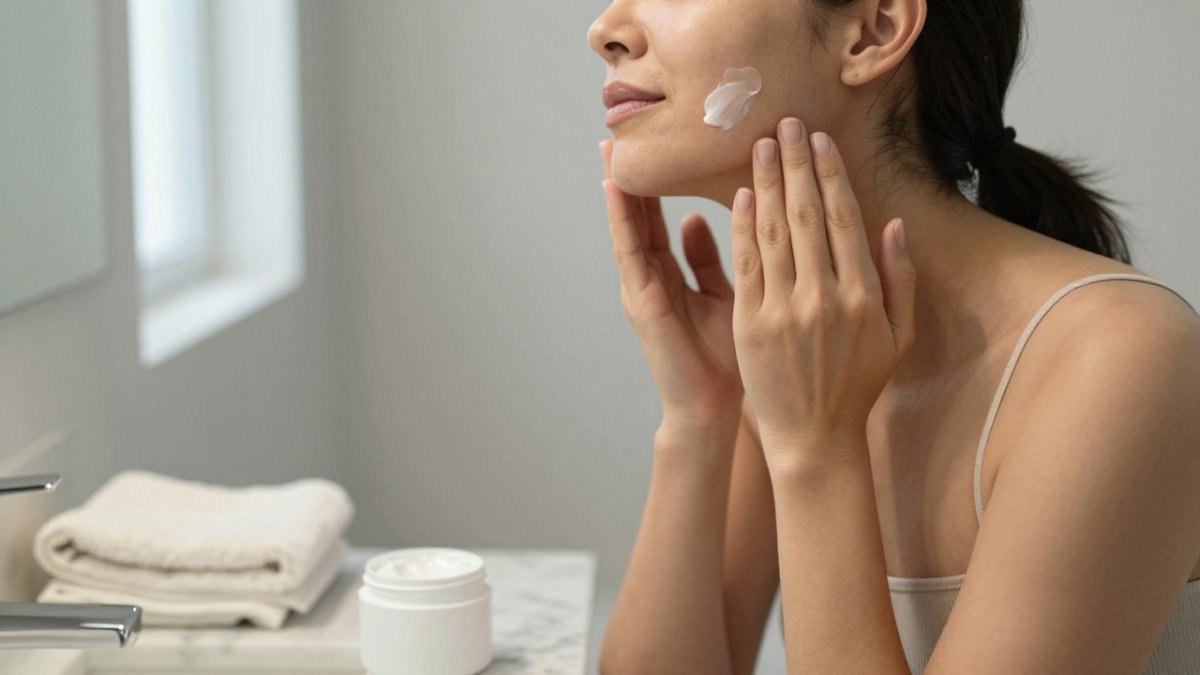
Layering follows a simple rule: thinnest to thickest. Cleanse, apply azelaic acid serum to dry skin, follow with moisturizer, and finish with sunscreen in the morning. If your skin stings, buffer by applying moisturizer first. Introduce it gradually and build up as tolerated. Avoid stacking it in the same layer as strong retinoids or high-percentage exfoliating acids until you know how your skin responds; alternating nights is a common compromise. Sensitive readers juggling multiple actives should read our retinol tips for sensitive skin before stacking ingredients.
Watch out: Do not judge an azelaic acid serum by its first week. Mild tingling and temporary dryness can occur during early use, and stopping too early may mean results do not become visible.
Choosing Your Azelaic Acid Serum at Coule
The right azelaic acid serum is the one you will use consistently for eight to twelve weeks. Pick based on concentration you can tolerate, a texture you enjoy, and a price you can sustain, because this ingredient rewards patience over intensity.
Our approach at Coule combines French pharmacy heritage with modern, science-backed formulation. Our dual active retinol balm in a sleek aluminum tube is designed for men and women who want considered daily self-care. When you are ready to build out your shelf, browse our curated French pharmacy skincare and pair your serum with a formula designed to work alongside it.
Uneven tone rarely resolves with a single product, and that is precisely why the formula you choose matters. Coule brings together French pharmacy tradition and modern formulation, with a dual active retinol balm in a sleek aluminum tube for men and women. Choose a formula you will keep using consistently. Get started with Coule and build a routine that respects your skin barrier from day one.
Frequently Asked Questions
How long does azelaic acid take to improve uneven skin tone?
Expect a gradual change rather than a fast one. A published review of azelaic acid's dermatological uses reports that 2016 European Academy of Dermatology and Venereology guidelines recommended it for mild-to-moderate papulopustular acne, and case studies of adult female acne patients describe use in both treatment and maintenance phases. Those sources do not give a firm timeline for tone improvement, so judge progress over weeks of consistent use and photograph your skin in the same light to compare.
Can you use azelaic acid with retinol?
Many routines pair them, but the order matters more than the pairing. If you use a retinol product at night, apply the azelaic acid serum first on clean skin, let it absorb, then follow with moisturizer and the retinol. Start with azelaic acid a few nights a week rather than nightly, and add the retinol on separate evenings until your skin shows no stinging or flaking. A patch test on the jawline for three nights tells you whether your skin tolerates both.
Is azelaic acid suitable for sensitive skin?
Azelaic acid is often included in formulas for sensitive skin. Anua's 10% serum includes hyaluron. Check with a dermatologist if redness persists.
Can azelaic acid remove hyperpigmentation?
It can fade the look of dark spots and post-acne marks over time, but no topical erases pigmentation permanently. Azelaic acid for hyperpigmentation works best alongside daily sunscreen, because unprotected sun exposure keeps refilling the melanin you are trying to clear. Formulas that combine azelaic with kojic acid, such as Allies of Skin's clarifying serum, target pigmentation through two pathways. Give any regimen several weeks before judging, and see a dermatologist for melasma that does not respond.
What do dermatologists recommend for uneven skin tone?
The published guidance favors ingredients with a track record, applied consistently and paired with sun protection. A 2024 review reports that 2016 European Academy of Dermatology and Venereology guidelines recommended azelaic acid for mild-to-moderate papulopustular acne, one reason it appears in dermatologist-informed routines for tone and breakouts alike. Look for a stated concentration, a short ingredient list you can read, and a formula your skin tolerates at least four nights a week.
